
Gran Torelló Grandes Añadas 2010 · Ten years, still plenty going on
20 October 2026 · Vikipedia
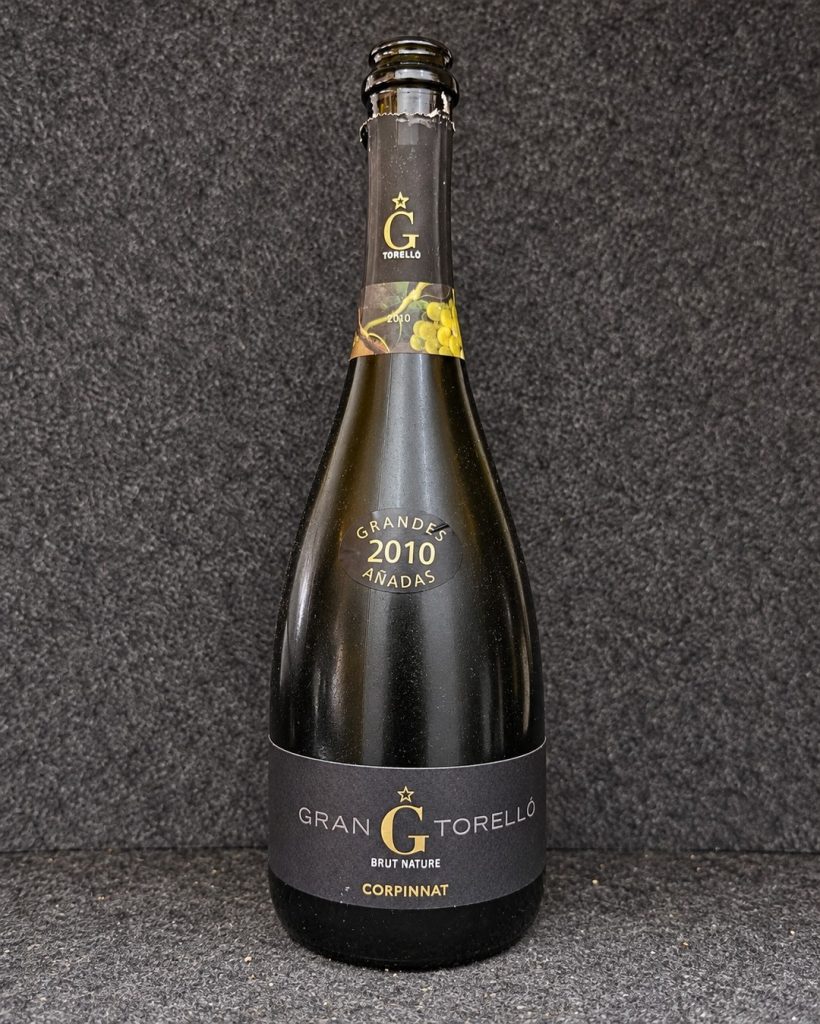
Ten years of ageing sounds like a bottle lying down while everyone else does the work. This one needs a slightly different picture: resting did not mean being left alone. Some of us would welcome that level of attention during a nap.
Meet the bottle
Gran Torelló Grandes Añadas 2010 · Brut Nature · Torelló Viticultors · Corpinnat. Macabeo, xarel·lo and parellada from Can Martí in Gelida, Alt Penedès. The 2010 technical sheet confirms over 120 months in bottle and disgorgement without added sugar.
My tasting impression
In today’s Instagram post I highlighted freshness, fine bubbles and a savoury, almost saline finish alongside the depth of ageing. That is my impression of the bottle I tasted. You do not need to find precisely the same sensations to enjoy it: there is no answer sheet tucked under the glass.
The producer’s description
My post also reported the winery’s description: ripe fruit, fine yeast notes, dried herbs and toast, with breadth, integrated bubbles, good acidity and length. I keep this separate from my own tasting impression so you know whose voice you are reading.
A French word with a straightforward explanation
Here, poignettage means shaking the bottle to bring the yeast back into contact with the wine; Torelló says it does this annually. That was the detail that caught my attention: waiting still involves work. Learning the word is useful if it helps us picture the process. Delivering it in an impressive accent without explaining anything is a rather different kind of service.
Three grapes, and company during the wait
The technical sheet specifies 35% macabeo, 34% xarel·lo and 31% parellada. Those proportions describe the 2010 vintage, not a compulsory recipe for every Penedès sparkling wine. Macabeo is also the grape commonly called viura in Rioja. Our article on macabeo and drought follows another part of its story.
After the second fermentation, lees remain, mainly the spent yeast cells. During ageing, those cells break down and release components that can influence texture and aromas: this is autolysis. It does not mean the yeast spends ten years continuously making bubbles. Fermentation and ageing on lees are different stages; working and merely spending a long time in the office are different things too.
Poignettage brings the lees back into suspension. Riddling later guides the sediment towards the neck; disgorgement removes it. Three operations with three purposes. Torelló’s documented period of over 120 months describes cellar ageing, not how long you should keep the bottle after buying it. We have not verified the disgorgement date of the bottle I tasted, so we will not invent a birthday for it.
Zooming in
We can read the origin at several scales: Penedès, Alt Penedès, Gelida and Can Martí. The final name takes us to the estate supplying the grapes, rather than merely a company address. Corpinnat is a collective mark associated with sparkling wines from Penedès; it is not a village.
The linked territory article continues that journey. Next time Gelida appears on a label, it should mean a little more than a place name. And ten years of ageing should suggest the work involved, as well as the passing of time.
Sources and review
- Torelló · ficha de la añada 2010
- Torelló · Can Martí
- Corpinnat
- sommelier.vi.cat · publicación original, 20/10/2026
Expanded and reviewed on 20 October 2026.