
Vikipedia
Wine regions
Catalonia is the starting point; curiosity has no border. Choose a region to find its stories and bottles, or browse every introduction. An appellation can contain many villages, landscapes and approaches to wine.
EXPLORE AT YOUR OWN PACE · 30 ARTICLES
Wine in Spain
Open “Wine in Spain”, choose a branch and click its final label to read the article. Click again to close it. There is no need to swallow the whole country in one go.
Wine in Spain
The big picture
Climate and geography
From the dry south to the Atlantic north: one country, many climates
Asking for “a Spanish wine” gives about as many clues as asking for “something to eat”. Between a vineyard near the Atlantic and one in the interior, rainfall, temperatures, wind and timing all change. The contrast between a generally dry south and a wetter north is a useful starting point. Turning it into a rigid border would mean drawing the map with a rather oversized brush.
In Atlantic-influenced areas, the ocean moderates temperatures and brings moisture. This can encourage slower ripening, but it also means watching fungal diseases and keeping bunches well ventilated. Across many Mediterranean areas, summer drought and heat make it especially important to retain water in the soil and protect grapes from excessive exposure.
The interior adds another variable: continental conditions, with cold winters and pronounced temperature contrasts. Altitude can moderate temperatures even quite far south. So “southern” does not automatically mean overripe grapes, while “northern” does not guarantee acidity sharp enough to sharpen knives.
How does all this reach the glass? Temperature affects the speed of ripening and the loss of acidity; available water influences how the vine functions. Variety, aspect, soil, picking date and winemaking also play their parts. The climate sets the scene; the grower still has quite a few decisions to make.
When choosing a bottle, asking about its particular location and vintage is more useful than sorting it by latitude. A southern white can be fresh and a northern red can be powerful. The label gives an address of origin, not a complete weather report.
Rain: how much falls, when it falls and how much stays
A thousand millimetres of rain means a thousand litres on each square metre. That sounds enough to open a spa, but a vineyard cannot use all of it: some evaporates, some runs off and some ends up beyond the roots. The annual figure only tells the beginning of the story.
The contrast between low-rainfall Spanish regions and much wetter Atlantic areas is real. Yet “under 500 throughout the south and over 1,000 throughout the north” turns broad trends into a rule that does not work in every district. There are rainy southern mountains, dry northern interiors and important differences between vintages.
Timing matters too. Winter rain can recharge the soil before budburst. During growth, water keeps the leaves functioning. Near harvest, persistent rain can complicate bunch health and picking plans. Not every late shower ruins a vintage, just as not every dry summer makes it outstanding.
Soil acts as a reservoir with its own characteristics: depth, texture, structure and organic matter influence how much water it can store. Two plots receiving the same rainfall may have very different reserves. Roots, cover crops and cultivation practices add further layers to that picture.
To understand a vintage, connect rainfall with temperature and vine condition. Extreme drought can hold back ripening; excess moisture can increase disease pressure. A vine needs balance, not first prize in a suffering contest. And every rainfall figure should come with a place and a period: without them, it is a number carrying an umbrella but lacking an address.
High vineyards: cool conditions are not just a northern affair
A bottle may come from central Spain and have started life much higher up than we imagine. The Meseta plateau and the many mountain ranges explain the importance of altitude in Spanish vineyards. We do not need a European height championship to understand why it matters.
Broadly speaking, air temperature falls as elevation rises. In viticulture, this can extend ripening and help preserve acidity in warm places. Radiation, wind and day-to-night temperature contrasts also vary with the site. Altitude offers possibilities, but it does not come with a freshness certificate attached.
Aspect changes exposure to the sun. A slope can help cold air drain away, while the shape of the land can also create pockets where it collects. A high, windy plot behaves differently from a valley floor. The number on a technical sheet therefore needs some company: soil, aspect, variety and the conditions of the vintage.
Growing higher up brings difficulties too. Frost can damage shoots, the usable season may be shorter and some varieties may struggle to ripen fully. The point is not to climb for the sake of it, but to find conditions that produce healthy, balanced grapes.
In the glass, these factors can translate into differences in acidity, fruit ripeness and structure, although winemaking still has plenty to say. If a wine advertises its altitude, the interesting question is how that altitude works in its particular vineyard. Metres help explain a wine; they do not taste it for us. Fortunately, we still have to open the bottle for that.
Further reading: D.O. Ribera del Duero: altitude. Sources consulted: 24 October 2026.
Growing grapes and making wine
Irrigation: a tool, not a moral verdict
Mention irrigation and the conversation sometimes divides between people imagining a plastic vineyard and those convinced that turning on a tap can save any harvest. Farming is less cinematic: what matters is water availability, when it is applied and what the vine actually needs.
Spanish regulation changed in the mid-1990s. A verifiable legal reference is Law 8/1996, which repealed, among other provisions, Articles 42, 43 and 44 of the former Vine, Wine and Alcohol Statute. Explaining that change is more accurate than presenting 1995 as a single date that settled the entire irrigation question.
Permission does not mean that any plot can be irrigated without conditions. Water-use rules apply, along with appellation requirements where relevant. Dry farming remains important, and irrigation plays a different role in a young planting from that in a mature vineyard with deep roots.
A moderate water shortage can limit vigour, but severe stress reduces vine activity and can halt ripening. A carefully judged supply can help avoid that extreme. Too much water, on the other hand, can encourage unwanted vegetative growth and consume a scarce resource. There is no universal quantity suitable for every soil and variety.
A wine profile should describe what actually happens: dry farming, occasional support or a documented irrigation strategy. Then we can assess the context. Quality cannot be read from a pipe, and sustainability is not settled by an attractive word on the back label.
Further reading: BOE: Law 8/1996, second repealing provision · Spanish Agriculture Ministry: technical context of vineyard irrigation. Sources consulted: 24 October 2026.
From bulk wine to diversity: evolution without a single ladder
The recent history of Spanish wine cannot be reduced to “bulk wine then, good reds now”. There were commercial, technological and varietal changes, but also continuity, recoveries and projects that took different paths. Besides, bulk describes a way of selling wine; red describes a type of wine. Treating them as rungs on a quality ladder mixes two separate conversations.
The expansion of bottling, temperature control, closer attention to vineyards and the search for export markets helped transform many regions. Some areas planted more red or international varieties. Elsewhere, local grapes retained a leading role and now offer a heritage worth getting to know better.
Nor does a variety become mediocre simply because it was plentiful. Airén, for example, should not be judged solely by its historical association with large volumes. Yield, site, grape health and winemaking influence the result. Equally, planting Cabernet Sauvignon does not automatically turn an estate into Bordeaux. A few other things would be needed, starting with being there.
The recovery of old vineyards and lesser-known varieties adds another layer. It can broaden diversity and preserve valuable plant material, but “native” is no substitute for good work. Introduced varieties can also make interesting wines when they suit their surroundings.
To understand a bottle, ask what has changed at that particular winery or in that district. Are plots selected separately? Has extraction been reduced? Are wines bottled by origin? Those decisions explain much more than a contest between tradition and modernity. Wine’s evolution resembles a network of paths; some even lead back to places we should never have abandoned.
Further reading: DOCa Rioja: grape varieties · D.O. Somontano: local and international varieties. Sources consulted: 24 October 2026.
American and French oak: choosing a tool, not a passport
“It has French oak” is sometimes announced with such solemnity that standing to attention seems appropriate. It can be useful information, but it does not prove that the wine is better. American oak is not an outdated stage the industry has left behind either: both remain part of many wines.
Wood can contribute aromatic compounds and tannins, while the vessel influences the wine’s development during ageing. Vanilla, spices and toasted notes are among the aromas associated with oak, in varying intensities. Botanical origin, seasoning, toasting and construction all matter. Reducing everything to “American equals coconut; French equals elegance” leaves rather a lot out.
A new barrel usually leaves a stronger mark than one that has already held wine. The ratio of wood surface to volume changes too: a large vessel does not behave like a small barrel. Years of use, time in the vessel and the characteristics of the wine complete the equation.
Some producers combine origins and sizes; others favour concrete, steel, clay vessels or large vats. The absence of an obvious woody aroma does not mean the absence of ageing. Sometimes the vessel is meant to support development discreetly, a quality that is welcome outside the cellar as well.
In Jerez, used butts have a different role from a new barrel intended to flavour a red wine. Their preparation depends on the intended use and working system; there is no universal conditioning period for every barrel. Before admiring the wood, it is worth asking what job it does in that wine.
Further reading: Sherry regulatory council: ageing. Sources consulted: 24 October 2026.
Understanding appellations
DOCa and DOQ: origin requirements, not medals for your palate
Rioja uses DOCa and Priorat uses DOQ, the Catalan form of Denominación de Origen Calificada, or qualified designation of origin. These initials tell us something important about recognition and requirements. What they cannot do is guarantee that we will prefer every bottle bearing them to a wine from somewhere else.
Within the wine protection system, these traditional terms are linked to protected designations of origin. Conditions governing production, territorial boundaries, control and marketing must be met. They are not adjectives a winery can add because it thinks its latest wine is particularly inspired.
Confusion begins when a regulatory pyramid is read as a sensory ranking of every bottle. A legal category and a tasting assessment answer different questions. The first protects a name and a set of conditions; the second evaluates a particular wine, its vintage, storage and drinking context.
Rioja and Priorat also contain considerable internal diversity. Villages, plots, varieties and winemaking styles coexist within each appellation. The word “qualified” neither removes that richness nor requires all wines to share the same character. The interesting part starts when we look beyond the biggest letters on the label.
Use DOCa or DOQ as information about the framework of origin. Then look at the producer, more specific location, grapes and winemaking. Finally, taste the wine. Bureaucracy can organise many things, but it has yet to devise a box that replaces an individual palate.
Further reading: Spanish Agriculture Ministry: traditional wine terms · DOCa Rioja: production zones · DOQ Priorat: regional dossier. Sources consulted: 24 October 2026.
DO: what a designation of origin protects
A DO is not simply the name of a pretty place printed on a bottle. It is a protection framework connecting a wine with a territory and production conditions. To use the name, the product must comply with its specification, the document setting out the applicable rules.
That specification may cover geographical boundaries, permitted varieties, yields, winemaking practices and wine characteristics. Requirements are not identical across appellations: each reflects its own circumstances and regulations. So what we learn about Rioja cannot simply be transferred to every other Spanish label.
DO is a traditional term associated with wines holding a protected designation of origin, or DOP in Spanish. Calling it a “standard designation” can wrongly suggest a category without personality. Nor should we assume that a wine outside a DO has no interest. It may follow another framework or reflect a producer’s choices.
The appellation helps identify the origin and conditions that have been declared and checked. It does not explain every picking decision, plot or cellar choice. Two wines within the same DO can be very different. That is not a system failure: a region is not a photocopier either.
For curious readers, the specification is a good source when a precise question arises. On a wine list, the DO is a starting point alongside producer and style. It helps us find our bearings; it does not oblige us to study an entire rulebook before ordering a second glass.
Further reading: Spanish Agriculture Ministry: traditional wine terms. Sources consulted: 24 October 2026.
Vino de Pago: a defined place, not another word for Reserva
“Pago” may appear in conversations about vineyards, in brand names or as a protected term. Distinguish these uses before assigning a bottle a category it does not hold. The word alone does not grant an appellation: an estate name cannot file the paperwork.
Vino de Pago is linked to a delimited site with distinctive soil and microclimate, recognised under the relevant requirements. It belongs within the protected designation of origin framework. Recognition and compliance are what count, not whether the property is large, expensive or photogenic.
It does not mean Reserva either. Ageing terms concern maturation requirements where applicable; Vino de Pago concerns origin. One answers where the wine comes from and under which rules; the other concerns its ageing. Confusing them is like asking someone’s address and being told their age.
The interest of a small origin lies in getting to know its particular features: relief, soil, exposure and viticultural decisions. A small boundary does not, by itself, prove sensory superiority. We still need to assess the grapes, the winemaking and the individual bottle.
Look for the full appellation and its recognised status rather than reading every “Pago de…” as an official category. If a winery describes its plot, verifiable details are more helpful than grand claims. A well-told story can bring us closer to the place; an impressive title on its own may only bring us closer to the sales counter.
Further reading: Spanish Agriculture Ministry: requirements for traditional terms. Sources consulted: 24 October 2026.
IGP and Vino de la Tierra: another way to express origin
IGP stands for Indicación Geográfica Protegida: protected geographical indication. The Spanish term is not “Denominación Geográfica Protegida”, even if those initials tempt us to finish the exam in a hurry. In Spain it can appear alongside the traditional term Vino de la Tierra, which remains in use and should not be described as obsolete.
An IGP links wine with a geographical origin under recognised conditions. Its requirements and the way that connection is established are not identical to those of a DOP. The useful point for drinkers is that a protected name exists, with a specification defining what may be sold under it.
It can sometimes offer producers a different framework for varieties or styles. That does not mean an absence of rules, nor does every indication offer the same flexibility. To know what a specific IGP permits, consult its documentation rather than a generic three-line description.
Classification and quality should also be kept separate. An IGP wine may be very satisfying, just as a DOP cannot guarantee that every bottle matches our preferences. The category helps interpret origin; it is not a tasting score written in administrative language.
When you see Vino de la Tierra on a list, ask about the area, variety and producer. It can open a door to wines outside the familiar choices without abandoning a sense of where they come from. If someone dismisses them solely because of the initials, perhaps they are tasting the rulebook rather than the contents. It usually has considerably less aroma.
Further reading: Spanish Agriculture Ministry: traditional wine terms · Spanish Agriculture Ministry: requirements for traditional terms. Sources consulted: 24 October 2026.
Regions to explore
Rioja
Rioja Alta, Alavesa and Oriental: three zones, many differences
Rioja does not end at the borders of the autonomous community of La Rioja. The appellation also extends into Álava and Navarra and is organised into three zones: Rioja Alta, Rioja Alavesa and Rioja Oriental. The last of these replaced the name Rioja Baja. “Baja” referred to geography, but sometimes language needs to stop sounding like a low exam mark.
The three zones help us navigate a territory crossed by the Ebro and shaped by mountains, altitudes and different exposures. Atlantic and Mediterranean influences do not meet along a perfectly neat dividing line. Broadly, the eastern sector is warmer and drier, but it also contains high vineyards and cool sites.
Rioja Alta and Rioja Alavesa are not uniform blocks either. Soils, distance from the river, aspect and elevation vary. One village can contain plots that behave differently even before we consider varieties or the producer’s hand. The regional map begins the explanation; it does not finish it.
Traditionally, blending origins has allowed complementary characteristics to be combined. Other wines highlight a zone, municipality or particular vineyard when they meet the relevant requirements. These are different ways of telling Rioja’s story. They can coexist without organising a fight between tradition and individual plots.
On a wine list, a more precise origin can help you ask better questions. It does not guarantee a particular aroma or weight on the palate. If “a Rioja” is offered as though they were all identical, plenty remains to discuss: producer, vintage, location and winemaking. Reducing this broad appellation to vanilla and ageing would leave most of the landscape outside the glass.
Further reading: DOCa Rioja: production zones. Sources consulted: 24 October 2026.
Tempranillo: Rioja’s leading grape, without frozen percentages
Tempranillo is fundamental to Rioja. Vineyard percentages published years ago describe a historical snapshot and should not be presented as current figures. Nor is a proportion of all planted land the same as a proportion of red varieties alone. Percentages need to know what they are talking about too.
The name refers to relatively early ripening compared with other traditional varieties. It can offer red or black fruit and a structure that changes with climate, yield and picking decisions. Study notes describe medium acidity and tannin as a broad guide; that does not mean every Tempranillo must recite the same description like a diligent pupil.
In Rioja it may appear alone or alongside other grapes. Garnacha can contribute fruit and volume; Graciano or Mazuelo can bring other structural and freshness elements, depending on the wine. A well-designed blend seeks balance, rather than hiding the fact that its leading variety has failed an exam.
Ageing adds another dimension. Oak can introduce spice, vanilla or toasted notes; bottle development transforms the fruit profile and may bring more complex aromas. Not all those aromas come from the grape, and not every Tempranillo needs a great deal of wood to be interesting.
When tasting two Riojas, compare fruit ripeness, perceived acidity, tannin texture and the integration of ageing. That observation teaches more than memorising an outdated percentage. Tempranillo has the leading role, certainly, but producer, plot and vintage have lines in the script as well.
Further reading: DOCa Rioja: grape varieties. Sources consulted: 24 October 2026.
Viura, Garnacha, Mazuelo and Graciano: the supporting cast matters
If Rioja were a film, Tempranillo would get the biggest name on the poster. That does not make the other varieties mere extras. Viura, Garnacha Tinta, Mazuelo and Graciano explain part of its diversity, in blends and in wines where they take the leading role.
Viura, also known as Macabeo, is an important white grape in Rioja. It can produce delicate young wines, but also contribute to whites with ageing and development potential. The result depends on grape quality, picking date and winemaking decisions. A restrained white grape is not a white grape without a future.
Garnacha Tinta offers possibilities for fruit, volume and a sense of place. Different sites and winemaking approaches can reveal lighter or more concentrated expressions. Reducing it to a grape used only to add alcohol to a blend misses the wines in which it has an identity of its own.
Mazuelo and Graciano are often discussed for their contribution to structure and acidity in blends. Mazuelo is the variety also called Cariñena; Graciano adds its own aromatic character and needs attention to ripening. These tendencies are useful guides, but proportions and the particular harvest matter a great deal.
A blend need not be less authentic than a single-variety wine. Combining grapes can be a precise way to express a style and balance its components. Ask what each grape is intended to contribute. The variety list then stops resembling the closing credits and starts explaining why the film works.
Further reading: DOCa Rioja: grape varieties. Sources consulted: 24 October 2026.
Ribera del Duero
Tinto Fino in Ribera: Tempranillo with a local accent
Tinto Fino and Tinta del País are familiar names for Tempranillo in Ribera del Duero. Genetic kinship does not require its wines to taste like those of Rioja or Toro. The same variety changes expression with site, plant material, cultivation and winemaking. We change quite a bit ourselves depending on where we are seated for dinner.
Ribera combines altitude, cold winters and dry summers with temperature contrasts that influence ripening. Grapes can develop good fruit concentration and structure, while cooler conditions in certain sites help preserve balance. That describes a regional possibility, not a guarantee for every plot and vintage.
In the cellar, skin-contact time and the way compounds are extracted affect colour and tannin: the drying or gripping sensation in the mouth. Ageing can change texture and add aromas, although a wine does not have to smell strongly of barrels to prove it comes from Ribera.
Some styles are fruitier and more immediately accessible; others offer greater concentration or ageing potential. Abundant tannin does not necessarily mean harshness, just as a gentle entry does not prove a wine is simple. Balance between fruit, acidity, alcohol and texture matters more than maximum intensity in every box.
Explore the region by comparing wines with information about origin and winemaking. Notice fruit ripeness and how the tannins fit in. Tinto Fino identifies the grape; understanding the bottle starts afterwards, when we stop asking an entire region to behave like a single brand.
Further reading: D.O. Ribera del Duero: map and regional context. Sources consulted: 24 October 2026.
Ribera’s cool nights: more than a single figure of 850 metres
Eight hundred and fifty metres is a useful reference for imagining Ribera del Duero’s plateau, but it does not describe every vineyard. The regulatory council places elevations at approximately 720 to more than 1,000 metres. That vertical range, together with aspect and terrain, introduces differences a single figure erases rather quickly.
The climate brings cold winters, dry summers and significant contrasts between daytime and night-time temperatures. Cool nights can moderate acidity loss during ripening. They do not automatically manufacture a fresh wine, however: variety, crop load, available water and picking date also matter.
Height brings risks, not just selling points for a technical sheet. Spring frost can affect shoots, and cold weather late in the season can complicate ripening. Harvest dates are decided each year and for each plot; there is no compulsory late-October slot that every winery must obey.
Dry conditions can reduce some disease pressures compared with wetter areas, but they do not eliminate disease. Claiming that vineyards here never need protection confuses a climatic tendency with immunity. Monitoring the plot remains essential.
Look in the glass for the resulting balance, not a mechanical translation of metres. A wine can be ripe yet lively; another may be dominated by extraction or alcohol. Altitude explains part of the context. It cannot promise, from the label alone, that the bottle comes with built-in air conditioning.
Further reading: D.O. Ribera del Duero: altitude. Sources consulted: 24 October 2026.
Ribera’s expansion: from recognition to finer detail
Ribera del Duero did not begin making wine when it became famous. Its viticultural history predates the appellation’s recognition in 1982. What changed afterwards, particularly over the following decades, was its visibility, investment and the number of projects that helped put it on wine lists.
Increased bottling and commercial reach allowed more drinkers to identify Ribera with distinctive Tempranillo wines. Improvements in vineyard and cellar were part of that process. A regional story cannot, however, be explained by crediting one brand with everything or mistaking fame for the discovery of an empty territory.
Winery counts in older books can help chart that development if their dates are retained. They should not be carried into the present as though the register had stood still. Current numbers require current information; understanding growth means looking at the trajectory.
Expansion has also led to a more precise conversation about villages, soils, vineyards and winemaking approaches. Not every project seeks maximum concentration or the same level of oak influence. Today’s diversity lets us move beyond the “powerful red” stereotype towards interpretations with different rhythms and textures.
Use that variety when reading a wine list: ask about the particular origin and style. A recognised appellation offers an entry point, but does not oblige you to keep making the same choice. Ribera has enough landscape for a conversation longer than “give me something full-bodied”. Body matters; personality does too.
Further reading: D.O. Ribera del Duero: map and regional context. Sources consulted: 24 October 2026.
Catalonia, Penedès and Cava
Penedès and Cava: sharing a landscape does not make them identical
Penedès and Cava appear together so often that they are easily confused. Penedès is a territory producing still and sparkling wines; D.O. Cava protects sparkling wines under its own conditions and covers areas in several autonomous communities. Not every Penedès wine is Cava, and not every Cava comes from Penedès.
Cava’s four main zones are Comtats de Barcelona, Valle del Ebro, Viñedos de Almendralejo and Requena. This organisation helps express origin more clearly. Two bottles can share a production method while coming from quite different landscapes.
The key to the traditional method is that the second fermentation takes place in the bottle. Yeasts convert sugars and produce carbon dioxide, which remains in the wine. Contact with the lees—the spent yeast—then contributes to development. Riddling and disgorgement collect and remove the sediment before the final closure.
Time on lees can contribute complexity and texture, but quality is not solely a matter of counting months. Base wine, acidity, grapes and careful production all matter. Ageing should not be confused with sweetness either: sugar-related terms describe a different characteristic.
When choosing, look at origin, producer, varieties, ageing and style. Penedès also produces sparkling wines under other frameworks. Bubbles alone cannot reveal an appellation. If someone sums up all this diversity as “Catalan champagne”, it may be a good moment to open the bottle and, gently, open the map as well.
Further reading: D.O. Cava: zones of origin · D.O. Cava: second fermentation and production. Sources consulted: 24 October 2026.
Priorat and llicorella: the rock explains the vineyard; we do not drink it
Llicorella is one of Priorat’s most recognisable features: slate-like rock found in many of its soils and slopes. It helps explain vineyard work and the relationships between roots, water and terrain. It does not mean the wine contains a slate infusion, although some tasting notes seem to suggest one.
Slopes, changing exposures and Mediterranean conditions make it important to examine each site. Water availability and vine vigour can limit yields. Old vineyards are part of the region’s heritage, but age and low production should not become automatic guarantees of excellence.
Garnacha and Cariñena—the latter also known locally as Carinyena or, in certain usage, Samsó—play central roles. Their interpretations differ with plot and winemaking. Other varieties and white wines exist too: Priorat is not confined to the stereotype of dark, alcoholic, powerful reds.
“Mineral” is a sensory descriptor for certain impressions, not proof that we directly taste soil minerals. Explaining how the ground affects cultivation is more rigorous than claiming that a particular rock passes straight into the glass as a recognisable flavour.
Neighbouring D.O. Montsant has its own diversity and is not a second-class version of Priorat. Its soils cannot be reduced to a single family either. Compare bottles through their specific origin, grapes, ripeness and extraction. Appellations help us find our bearings; turning them into a league with promotion and relegation usually explains the wine less well than our urge to classify everything.
Further reading: DOQ Priorat: regional dossier · Mas Doix: documented examples of soils, varieties and winemaking. Sources consulted: 24 October 2026.
Xarel·lo, Macabeo and Parellada: three voices, many combinations
In Cava, these three varieties form a familiar historical combination. But they are not interchangeable parts, nor do they live exclusively in sparkling wine. They can also make still wines that reveal their characters without bubbles leading the conversation.
Xarel·lo is often associated with structure and the capacity to support wines with development potential. Macabeo, called Macabeu in Catalan and Viura elsewhere, can bring delicate fruit. Parellada is traditionally linked with higher areas of Penedès and can contribute finesse and freshness. These are useful guides, not an exact recipe for every vintage.
Growing site and picking decisions can change those roles considerably. A sparkling base wine needs a balance suitable for second fermentation and subsequent ageing. For a still white, the producer may seek different ripeness and handle skins, lees or vessels differently.
Budburst and ripening should not be confused either. A variety can start growing relatively early and be harvested late; these are different points in the cycle. No traditional trio exhausts an appellation’s possibilities: Cava permits other grapes under its rules, including varieties used for white and rosé styles.
An interesting comparison is to taste a wine from each variety and then a blend, with some information about production. The aim is not to guess percentages as though sitting a civil-service exam, but to observe texture, fruit and acidity. Blending can add balance and complexity. Sometimes three voices harmonise better together; sometimes we want to hear the solo.
Further reading: D.O. Cava: permitted varieties. Sources consulted: 24 October 2026.
Galicia and the northwest
Albariño in Rías Baixas: freshness with more than one interpretation
If Albariño makes you think of a fresh, aromatic white, you have a good starting point. What you do not yet have is a description of every bottle. Rías Baixas offers different origins and approaches, and the variety can go further than the familiar “drink young with seafood”.
Atlantic influence brings moisture and moderates temperatures, with differences across the appellation. Many wines show citrus and stone-fruit notes alongside marked acidity. That is a guide: vintage, ripeness and cellar work can shift the expression towards something more delicate, broader or more developed.
The humid climate demands attention to vineyard health. A relatively thick skin does not make Albariño immune to downy mildew. Those are separate issues, and ventilation, monitoring and protection remain important. The grape is not wearing a raincoat that solves all its problems.
Steel vessels and a focus on clear fruit are common, but some wines are worked on their lees, while others use different vessels or ageing approaches. Lees can contribute texture and complexity. Some bottles develop well over time; ageing potential should not be assumed simply because the wine is Albariño.
Discover that diversity by comparing origins and styles, without serving the wines so cold that they smell of nothing. Freshness and volume can coexist. If a description mentions salinity or minerality, read it as a tasting impression, not a chemical analysis or proof that the sea has flowed directly into the bottle.
Further reading: D.O. Rías Baixas: five subzones. Sources consulted: 24 October 2026.
The five subzones of Rías Baixas
Rías Baixas has five subzones: Val do Salnés, O Rosal, Condado do Tea, Soutomaior and Ribeira do Ulla. A diagram naming only the first three offers a selection, not the whole map. The other two have not arrived late to the tasting; they were simply missing from the list.
Val do Salnés occupies a strongly maritime area around the Arousa estuary. O Rosal lies along the lower Miño, close to its mouth. Condado do Tea follows that river environment inland. Distance from the ocean, terrain and exposure bring differences worth observing without assigning each zone a compulsory flavour.
Soutomaior lies around the Vigo estuary, while Ribeira do Ulla occupies the appellation’s northernmost sector, associated with the River Ulla. These names specify origin more precisely and help explain the range of landscapes behind a shared certification label.
Albariño is fundamental, but blends and the varieties used depend on the wine and the relevant conditions. It is not rigorous to claim that one subzone always makes finer wines than another. A plot, harvest and winemaking approach can overturn that supposed ranking completely.
A practical way to explore them is to compare bottles with identified origins and similar production styles. This makes it easier to consider what the place contributes without confusing everything with oak or lees. The map helps us ask good questions; it should not decide in advance which wine we must prefer. All five zones deserve to be present before the conversation begins.
Further reading: D.O. Rías Baixas: five subzones · D.O. Rías Baixas: territory and soils. Sources consulted: 24 October 2026.
Mencía in Bierzo and Ribeira Sacra: shared family, different landscapes
Sharing a grape does not make two regions twins. Bierzo, in León, and Ribeira Sacra, in Galicia, both count Mencía among their major red varieties. Terrain, soils, exposures and the decisions of the people working there differ, however. The grape supplies a common vocabulary; each place builds its own sentences.
In Ribeira Sacra, slopes associated with the Sil and Miño rivers form some of its most recognisable landscapes. Steep ground and terraces can make mechanisation difficult and demand considerable manual work. Not every vineyard has the same soil or incline, so a single postcard of slate and vertigo is best avoided.
Bierzo combines valleys and mountains with a range of sites. Its vineyard heritage and the work of producers from different generations have raised its profile. Attributing that development to one person oversimplifies a collective story.
Mencía can offer red or black fruit, floral notes and varying firmness of texture. Extraction, ripeness and ageing alter the result. Some wines are agile, others more concentrated; coming from the northwest does not make them all light. Nor does the word “Atlantic” replace describing what we actually find in the glass.
For comparisons, seek village or plot information and details of winemaking. Observing fruit, tannin and perceived freshness helps reveal differences without turning them into a regional competition. Mencía can teach us plenty about place, provided we do not insist it play the same character every time. Some wine lists already contain enough repeated roles.
Further reading: D.O. Ribeira Sacra: territory and varieties. Sources consulted: 24 October 2026.
Andalusia and Jerez
Palomino Fino: a grape that knows how to leave room
Palomino Fino rarely enters the glass announcing itself with a bouquet of flowers and three tropical fruits. Its relatively restrained profile is part of the appeal: it lets us appreciate the effects of cultivation and ageing clearly. Restrained does not mean empty, just as speaking softly does not mean having nothing to say.
It is fundamental to the dry wines of the Jerez region. Its adaptation and relationship with soils and climate belong to a substantial viticultural history. It should not be reduced to an indifferent raw material that a cellar can turn into anything: vineyard and grape matter before the first butt appears.
During biological ageing, a layer of yeasts called flor transforms the wine and contributes to its character. During oxidative ageing, development in contact with oxygen takes a different path. Very different styles can therefore emerge from the same variety, a particularly clear demonstration of how much winemaking can explain.
There are also white wines from Palomino that let us approach the grape and its origins without following those exact ageing styles. Identify them by their production and specific framework rather than automatically calling every Palomino wine Sherry.
To get to know the variety, compare a white wine made from it with a dry Fino and a dry Oloroso. The point is not to find an identical list of aromas, but to recognise what each process changes. Palomino shows that a grape need not compete for the loudest perfume to make complex wines. Sometimes its interest lies in everything it allows us to hear.
Further reading: Sherry regulatory council: Palomino and albariza. Sources consulted: 24 October 2026.
Albariza: storing water beneath a white landscape
In summer, an albariza vineyard can look as though someone has turned the photograph’s exposure up too far. The pale colour is striking, but the properties are what matter. These calcium-carbonate-rich soils have varying compositions and structures and can play an important role in storing water.
In the Jerez region, rain is concentrated outside summer. Water held in the soil helps sustain vines through the dry period. Depth, porosity and plot management influence how much the plant can use. Saying “white soil” is not enough to explain exactly how it works.
Albariza is not uniform either. Pagos and individual plots differ in relief, exposure and ground characteristics. Understanding those differences allows more precise discussion of origin than assigning the whole region one soil and one result.
Its association with Palomino and the traditions of Jerez is fundamental, but we should not turn it into a magical explanation of flavour. Calling a wine saline, chalky or mineral does not prove that those tastes have travelled directly from the rock. Soil influences growth and available water; grapes, fermentation and ageing then play their parts.
It makes little sense to condemn every other soil in the region to an automatic second division. Assessing a wine means considering the whole picture. Albariza helps explain how vines can function through a dry summer; it is not a score hidden beneath the roots. It deserves more attention than being used as a pretty background for a bottle.
Further reading: Sherry regulatory council: Palomino and albariza. Sources consulted: 24 October 2026.
Criaderas and solera: blending ages to maintain a style
A solera is not an ancient barrel emptied once and magically refilled. It is a dynamic ageing system: some wine is withdrawn and replaced with wine from a younger stage. This movement connects different ages and helps maintain continuity of style.
The stage supplying wine for bottling is the solera; the criaderas feed it in succession. Withdrawal is called saca, and replenishment rocío. Each vessel is only partly emptied. The stages represent steps in ageing, although they are not always physically stacked as in the classic cellar photograph.
The frequency and size of operations depend on the system and applicable conditions. There is no universal rule of one annual withdrawal. Nor do more stages automatically guarantee higher quality: how the whole system is managed, and the wine moving through it, are what matter.
Used butts allow ageing in which strong new-wood aromas are not necessarily the aim. Preparation and maintenance depend on their intended use; there is no universal twenty-year wait before they can be used. Another useful distinction: almacenista identifies an ageing activity or specialist, whereas vintage wine refers to a particular harvest. They are not synonyms.
Jerez also allows vintage ageing under its rules, so not all maturation must be explained through a solera. The interesting question for drinkers is what the bottle tells us: continuity within a system or the expression of one harvest. Both can be worthwhile. Age adds context, but complexity cannot simply be measured by counting birthdays.
Further reading: Jerez: consolidated product specification. Sources consulted: 24 October 2026.
Fino, Manzanilla, Oloroso and Amontillado: follow the ageing
If all Sherry seems like “that strong aperitif wine”, here is a useful place to separate the paths. Fino, Manzanilla, Oloroso and Amontillado are different styles. The first key is biological ageing under flor versus oxidative ageing: two processes that leave different marks.
Fino and Manzanilla are associated with ageing beneath flor. This yeast layer transforms the wine and limits direct contact with oxygen. Manzanilla is linked to ageing in Sanlúcar de Barrameda and has its own appellation. It is not simply a Fino renamed by someone determined to complicate the wine list.
Oloroso follows oxidative ageing without that protective layer. Amontillado combines a biological phase with an oxidative one. Treating them as identical amber-coloured variations therefore leaves out an essential difference in their production.
In tasting, some styles can show more pungent and delicate profiles, while others suggest nuts, greater intensity or breadth. These are starting points. Age, producer and the particular ageing process introduce nuances, and a dark colour should not automatically be read as sweetness. An Oloroso can be dry.
Explore them in small quantities alongside food. Notice texture, intensity and persistence as well as aroma. You need not memorise an entire chart before enjoying a glass, but understanding the ageing path avoids confusion. The list then stops being a collection of solemn names and starts offering choices you actually know why you are making.
Further reading: Sherry regulatory council: ageing · Jerez: consolidated product specification. Sources consulted: 24 October 2026.
Other regions
Toro and Rueda: two identities beside the Duero
They often sit near each other on wine lists and invite a quick association: Toro, Tinta de Toro; Rueda, Verdejo. That is a useful first guide, provided it does not become a complete description of both appellations. Sharing the wider Duero valley does not make their vineyards or wines work in the same way.
Tinta de Toro is the local name for Tempranillo. Its adaptation to the environment and the work in the vineyard help explain reds that can have structure and ripe fruit. The reputation for power has a recognisable basis, but it does not oblige every producer to pursue maximum extraction. Balance, texture and freshness also deserve attention.
In Rueda, Verdejo is a central white variety. It can show fruit, herbal notes and a bitter finish that forms part of its personality. Picking decisions and winemaking alter the profile: a young wine designed to preserve fruit does not express itself like one worked on lees or given further ageing.
Continental conditions, altitude and water availability affect vineyards across these areas. Assigning one aroma to the whole region, or deducing quality from a night-time temperature, would nevertheless oversimplify matters. The plot and producer still count.
There is no need to make white and red opponents in a contest. They offer different routes into landscapes and winemaking choices. In Toro, ask about tannin integration; in Rueda, about the Verdejo style and cellar work. We can then leave two tired assumptions behind: that every Toro must be a hammer and every Rueda an indistinguishable white to serve ice-cold.
Further reading: D.O. Toro: Tinta de Toro · D.O. Rueda: Verdejo · D.O. Rueda: wine styles. Sources consulted: 24 October 2026.
Navarra: much more than terrace rosé
Rosé has an important place in Navarra’s identity. That does not mean the appellation closes when summer ends. Reds, whites and different production approaches broaden an offering that deserves more attention than the “something refreshing” box.
Garnacha has a historical connection with its rosés and also offers red-wine possibilities. It shares the region with other varieties, including Tempranillo and international grapes. Navarra’s range of environments supports different approaches; no single climate or recipe describes the entire appellation.
In rosé, skin contact and winemaking decisions influence colour and character. A paler shade does not prove greater finesse, just as a deeper pink does not mean sweetness. Sugar, acidity and structure are assessed by tasting or checking data, not by comparing the glass with a paint chart.
Reds can use blends or focus on one variety; whites offer another way into the region. Cabernet, Merlot or Chardonnay do not automatically erase local identity. How they are grown and made in that place matters, just as a traditional variety alone does not guarantee an interesting result.
When asking for a Navarra wine, specify whether you want fruit, lightness, structure or ageing. The regional name opens several doors without requiring you to choose the same one each time. Give rosé a place at the table throughout the year too: it does not know the official opening dates for pavement terraces and need not disappear when we put our sandals away.
Further reading: D.O. Navarra: wine diversity. Sources consulted: 24 October 2026.
Somontano: travelling varieties and local heritage
Somontano literally refers to the land at the foot of the mountains. In this part of Huesca, proximity to the Pyrenean landscape and a range of sites help locate an appellation known for combining varieties. Its interest is not limited to collecting French names with impressive pronunciation.
Cabernet Sauvignon, Merlot, Chardonnay and Gewürztraminer are part of the picture, alongside other grapes. Varieties linked to local heritage include Moristel, Parraleta and Alcañón. They deserve attention without turning local and international grapes into irreconcilable camps.
Each variety has its own cycle and requirements, making site selection and picking decisions important. Terrain, exposure and soils add differences. It would not be rigorous to give the whole region a single soil type, or claim that one particular texture automatically explains the fleshiness of all its wines.
There are whites, rosés and reds with different levels of ripeness, extraction and ageing. This diversity allows comparison of how a familiar variety behaves here and how less common grapes perform. Nor must Somontano be measured against Rioja to justify its existence: an appellation can be interesting without resembling the most famous name at the table.
A good exploration can alternate a familiar grape with a less familiar one. That gives you a reference on the way in and a new question on the way out. If a list includes Moristel, Parraleta or Alcañón, asking for an explanation is already a start. Learning about wine should broaden the options, not merely make us pronounce the same five names with ever greater confidence.
Further reading: D.O. Somontano: local and international varieties. Sources consulted: 24 October 2026.
The Canary Islands: distinctive vineyards and a changing story
The Canary Islands preserve extraordinary viticultural heritage, with varieties, training systems and landscapes that cannot be explained by looking at just one island. The history of own-rooted vines—grown without grafting onto a rootstock—is part of that interest. Presenting the entire archipelago as phylloxera-free today, however, is no longer correct.
Canarian authorities reported the detection of phylloxera in Tenerife in July 2025. That requires updating texts which repeated the pest’s historical absence as a permanent condition. It does not justify concluding that every vineyard on every island is affected either: current official information is the source for the specific plant-health situation.
The islands differ considerably in altitude, exposure to trade winds and available water. A volcanic landscape does not mean that every plot has the same soil or produces one style. A moist slope and a sheltered one can offer very different conditions on the same island.
Listán Blanco and Listán Negro are part of that mosaic, alongside other noteworthy varieties. Cultivation systems respond to local conditions and agricultural histories. They should be explained place by place, rather than treating every Canarian vineyard as a repeat of the best-known Lanzarote postcard.
In the glass, “volcanic” does not guarantee a compulsory aroma either. Island, area, variety and winemaking are useful details. The Canaries deserve curiosity for their actual diversity, not for a sentence frozen in an old edition. Tradition remains alive precisely because the story continues, and telling it properly means updating the map when the ground changes.
Further reading: Canary Islands Government: phylloxera detection and monitoring. Sources consulted: 24 October 2026.
Writing and review: sommelier.vi.cat · Vikipedia. Editorial review: 24 October 2026. An introductory guide: it does not replace each appellation’s official specification.
Riudebitlles: finding Penedès in a single vineyard
28 October 2026
From the valley and its mills to La Lola: xarel·lo, dry farming and calcareous soil in a Penedès beyond bubbles.
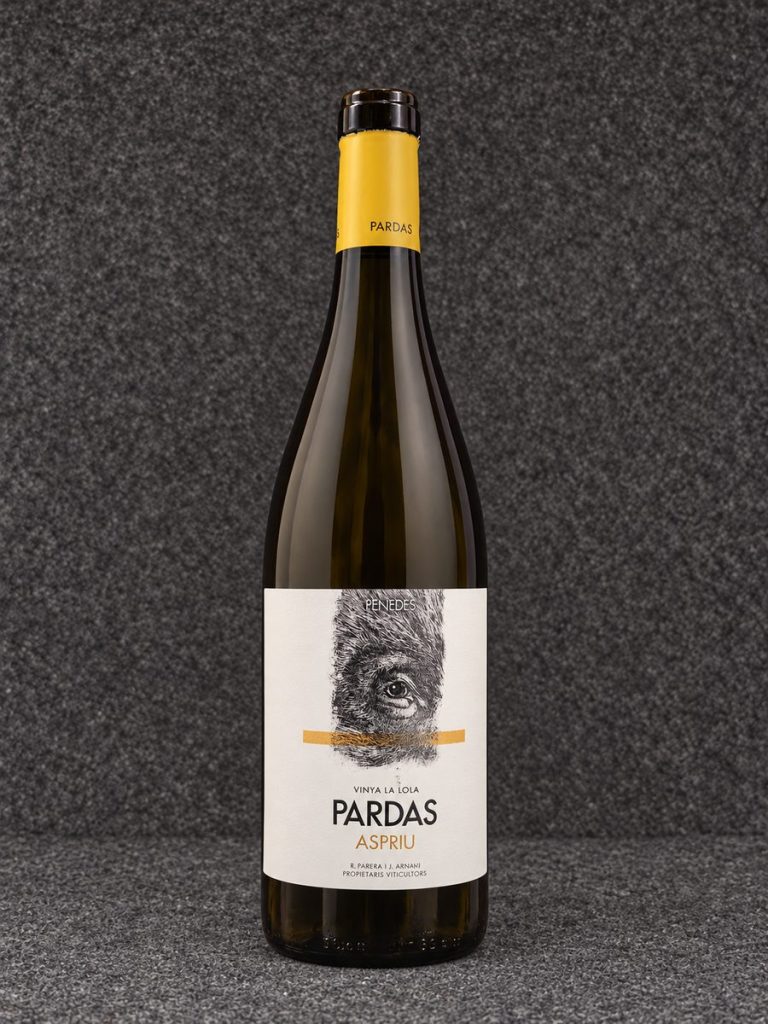
Pardas Aspriu 2019: xarel·lo takes its time
28 October 2026
My tasting of Vinya La Lola’s xarel·lo, its Riudebitlles valley origin and the production details specific to 2019.